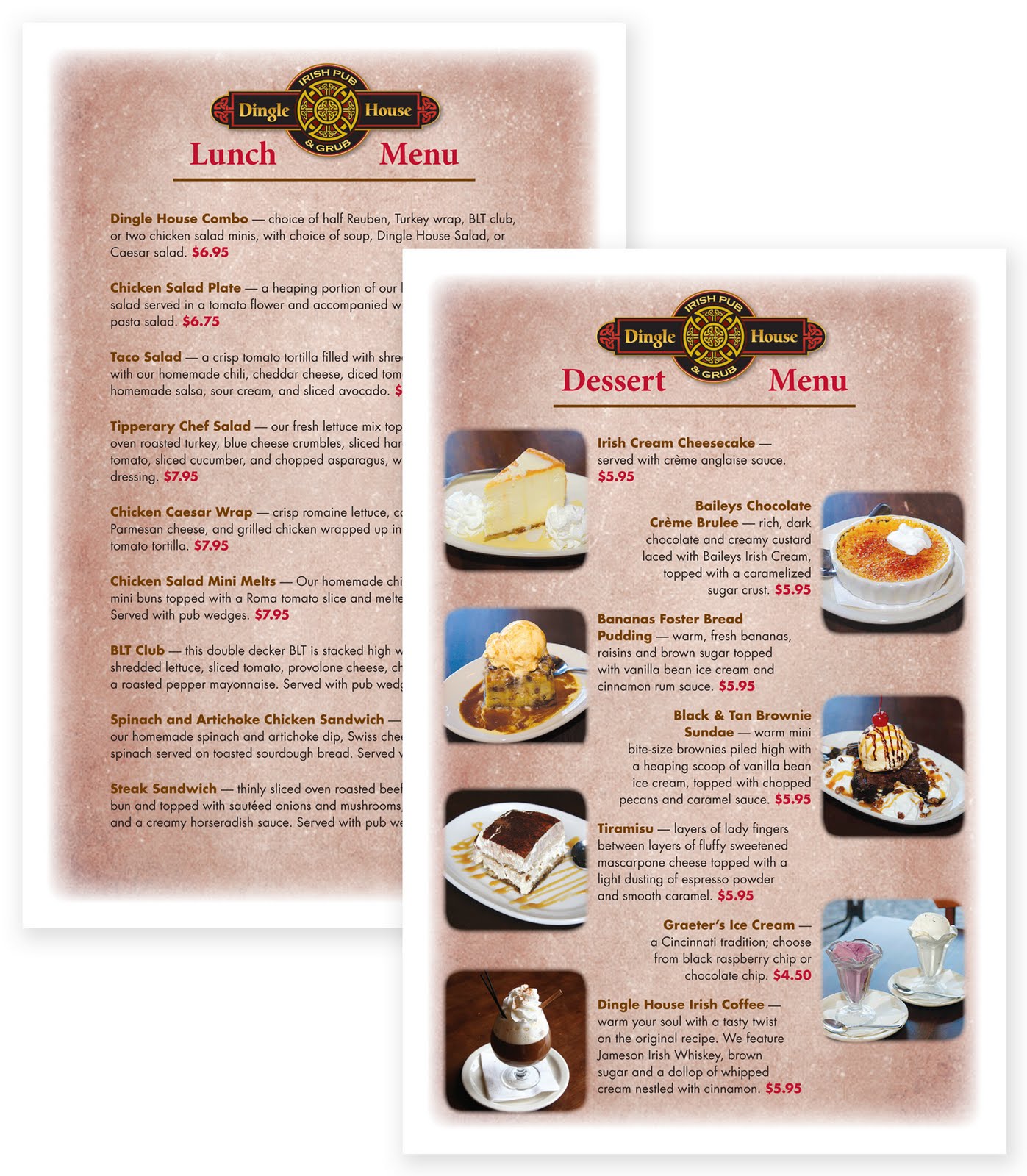
As you create your new marketing strategies, are you still considering printed flyers for advertising? This year, it might not be at the top of your list more likely. All the buzz of course is on social media marketing, and the various other gimmicks and strategies in Web and Mobile advertising. However, you should not dismiss it outright. The truth of the matter is, even traditional forms of marketing like flyer marketing is still something to consider this year.
Unconvinced? Well, let me make you a believer. Let me start why it will matter, and then we shall give you some tips and secrets on how you can actually make them work quite well along with your other marketing efforts hits year.
The Role of Flyer Marketing
Flyer printing, and print marketing in general through various mediums is actually in a changing position right now. As you no doubt have heard, the best places to invest in when it comes to marketing these days are social media portals. You probably already have that company Facebook page up, or have an official Company twitter account churning press release.
So what is the role really of print marketing in this age of instant marketing and socializing? Well, many have already been pondering this. In this
article from oneims, they discuss precisely that. Overall print marketing in general, and to a specific sense flyer marketing has that real world, offline and tangible potential. All those other trends online are instant by they do tend to require people to be online.
The role of flyer marketing is to be there when all that flashy online marketing is inaccessible. People still recognize these tools, and often still take a look at them when they are in the street. Even in shops, having a small flyer that describes in detail your product features is very useful. That is why flyer printing and marketing is something you cannot still dismiss. Its offline role for marketing and information dissemination is still valid. It offers up that holistic marketing support to your larger media campaigns. For more reasons why you should print flyers, checkout this feature
on Yahoo where they discuss flyer printing in a digital world.
Modern and Trendy Flyers
Lots of people say that flyers more or less are obsolete. Even more are saying that print is “dead”. Like “paper” is something from the distant past. Well the big news I have for you is that print is not dead. In fact in this
post from Forbes.com we see that print as it is has important features that still make it practical for marketing.
The real question that you should be asking is how you can create more modern and trendy flyers? Well the answer to this question is all about innovation and a connection to the modern digital world. One of the easiest ways to integrate the Internet for example through your print flyers is by the use of QR codes.
For a brief explanation about QR codes, Loudclick has a nice primer
HERE. To summarize though, QR codes are special graphic codes that mobile devices with cameras can scan. These are directly linked to a mobile landing page where a video or other interactive page element is located. This links the offline world to the digital world quickly, turning your flyers into modern portals to the web. Think about implementing it as you create your marketing flyers.
The Designs You Can Do
The one thing that is amazing with modern flyers these days is the creative designs that you can do. With new updates from Adobe Photoshop and Corel, graphics design has taken on a new, bolder and much more creative turn for the past couple of years.
Check out some great examples of flyer designs from 2012. A simple Google search and you should have tons of fine examples. Andysoawards.com though has this great
collection of flyer examples for 2012 that is definitely good for inspiration.
Browse through their list and you will see a variety of styles. However, usually the best ones today are usually on the artistic side, using a variety of typographic styles along with special filters and effects. Some also have succeeded using a more minimalist style. Whatever the case, it is important to be extra creative with the designs so that people will deem your flyers worth reading and keeping.
The Cunning Distribution Methods
In this age, you can do a lot more with your flyers really than just “hand them out”. While of course you can do that, you have a lot of very interesting options for your flyer distribution. For you guys, here is our small list of cunning distribution methods that you can try out.
1. The contest flyer – Attract people to get the flyer by offering a contest or raffle entry if they pickup the flyer and submit a raffle code.
2. The coupon flyer – Use flyers as coupons where they get a discount or freebie when they pick it up and use the code for purchases
3. Give gifts – Small things like free candy, free bookmarks and even just free advice can often be enough to encourage people to pickup those flyers.
4. Art flyer – Sometimes having a flyer that is too good looking to pass up works a lot. People show it to others just to appreciate the design
5. Shaped flyers – If it looks unusual and free, people pick it up just to see what it is about. A great way to get people to read your flyers
NOW, for more direct distribution methods, try out Ehow’s take on some traditional flyer distribution strategies here: http://www.ehow.com/list_6723198_flyer-distribution-ideas.html.
The Professional Printing
Finally, the great thing about printing modern marketing flyers is that there are a ton of great and interesting options when it comes to printing those materials. You do not just “print” flyers on paper these days. You have a lot of options when it comes to the features of flyers. Note that you can choose the paper, the paper finishes, textures, cuts, weight, shape etc. Professional flyer printers like printplace.com also offer different types of glossy finishes and even special cutting customizations.
This means that you can really customize your flyers anyway you want, with different materials shapes and finishes. You just need to pick a good flyer printer, or have a good machine of your own for printing.
With that, I hope you could see how flyer marketing works this year. There are a lot of things you can do with flyer printing. It should still be one of your extra options for marketing even I this time of digital marketing. Definitely worth investing in, especially for local campaigns.